Made to last, made to age
Caring for your leather
Vegetable-tanned full-grain leather is built to last for years and to look better as it goes. A little care keeps it supple and lets the patina develop the way it should. Here’s all you need to know. (If you are not sure your bag is full-grain, start with how the four leather grades differ — the advice below is written for full-grain hide.)
Everyday care
Wipe your piece with a clean, dry, soft cloth now and then to lift dust. Let it rest in open air between uses, leather likes to breathe.
Cleaning
For light marks, a barely-damp cloth is usually enough. Avoid soap, solvents, baby wipes and household cleaners; they strip the natural oils. For anything stubborn, a dedicated leather cleaner used sparingly is best.
Conditioning
Every few months, apply a small amount of leather balm or conditioner with a soft cloth in gentle circles, then buff. This replaces natural oils and keeps the leather soft. Always patch-test a hidden spot first, conditioners can darken leather slightly. Pieces in daily use, an everyday leather handbag or a briefcase that lives in a car boot, want it closer to every three months than every six.
The leather care range
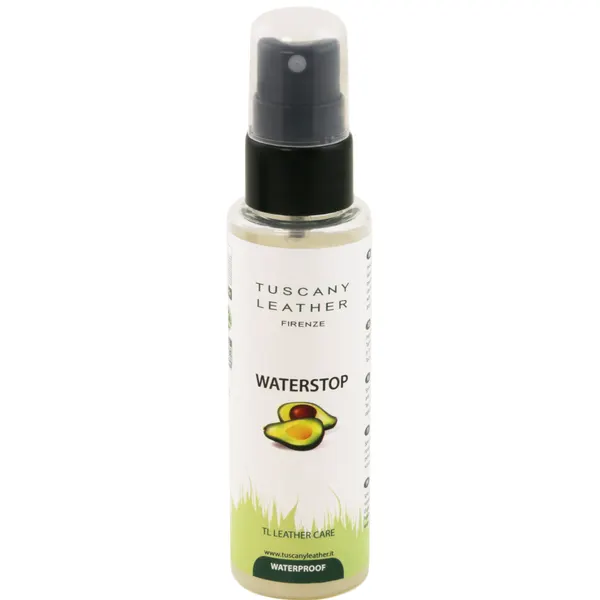
1 productTuscany Leather makes the balms, cloths and brushes this routine calls for, in the same workshops as the bags.
Water & stains
If it gets wet, blot gently and air-dry away from radiators, hairdryers and direct sun. Once dry, condition lightly to restore what the water took out.
Storage
Store in the dust bag, loosely stuffed to hold its shape, somewhere cool, dry and out of direct sunlight. That goes double for seasonal pieces like leather travel bags and duffles
On patina
The marks of use are the point, not a flaw. Over time your leather softens, darkens and takes on a patina that is yours alone. Read more on the vegetable tanning versus chrome and Made in Tuscany
Quick answers
How often should I condition my leather?
For everyday pieces, a light conditioning every 3 to 6 months is plenty. If the leather looks dry or you live somewhere arid, do it more often. Always test on a hidden area first.
My leather got wet, what should I do?
Blot (don't rub) with a soft cloth and let it air-dry away from direct heat. Once dry, condition lightly. Vegetable-tanned leather handles the occasional shower; just avoid soaking it.
Are scratches a problem?
Not really. On full-grain vegetable-tanned leather, light scratches often buff out with a finger or a soft cloth, and the rest become part of the patina.